


GenHERation®: How should you create an effective budget to meet your financial goals?
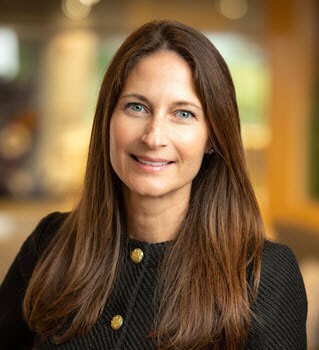
Amy Furlong: To get started, first determine your total income. Once you know what is coming in, track your spending; this process is often very eye-opening. After you understand your expenses, categorize them into needs, wants, and savings. You can then align your goals with these limits and set a timeframe for achieving them. Establishing a schedule for review will allow you to adjust your buckets and rethink your strategy as needed.
GenHERation®: When you get your paycheck, how should you spend it?
Furlong: Pay yourself first. Before allocating funds for essential or discretionary expenses, ensure you contribute to your savings account. An effective way to achieve this is by setting up automated transfers. Once your savings are prioritized, cover your essential expenses. The remaining balance is for discretionary spending. It is important to stay within your limits and live within your means.
GenHERation®: What are three steps you can take to develop your financial literacy skills?
Furlong: I recommend starting with self-education to gain a basic understanding of money management, whether through books, audiobooks, or reputable videos. Once you have a foundation, you can begin applying those principles to real situations. As you progress, I suggest seeking out trusted mentors to help deepen your understanding. For example, a few years ago, I set up an investment app for my children that provided educational articles on topics like ETFs. This allowed them to learn by doing, which naturally led to more informed questions. Ultimately, the process follows a cycle: educate, apply, and question.
GenHERation®: Where should young professionals begin when it comes to investing?
Furlong: It is never too early to start investing and embracing a long-term financial mindset. I encourage you to learn the basics of investing before taking on significant risks. A great place to begin is by researching your employer-sponsored retirement plan. Many employers offer a company match, contributing to your 401(k) up to a certain amount. I recommend trying to maximize your contributions to take full advantage of this benefit. Once you have joined the plan, research your investment options.
GenHERation®: What role should savings play in money management?
Furlong: Savings is a critical part of money management that provides essential financial flexibility. The key to building savings is consistency; contributing a portion of every paycheck, even a small amount, will pay off in the long run. I recommend beginning with an emergency fund to cover unexpected expenses and provide peace of mind. Establishing this fund helps you avoid relying on debt when emergencies arise. Once that is in place, you can focus on saving for long-term goals like retirement.
GenHERation®: What is your most important takeaway for budgeting and saving your money?
Furlong: Consistency! People worry about not being able to stick to a budget, but it’s more about consistency than perfection. Be patient. It will pay off in the long run.
GenHERation®: What is the best piece of advice you have ever been given?
Furlong: Focus on what you can control. At various points in my career, circumstances outside my control were distracting. This advice helped me remain effective by concentrating on the responsibilities and opportunities in front of me and executing my role to the highest standard. Each time, the distractions eventually subsided, and I continued to progress in my career by staying focused and not allowing them to divert my attention. This mindset protects your energy and credibility especially during period of change or uncertainty.
Amy Furlong is the chief financial officer for Hartford Funds. She is responsible for finance and corporate accounting, including financial planning and budgeting activities, financial analysis, and corporate strategy.
Amy joined the organization as a manager of broker dealer operations in 2004. She was promoted through several roles of increasing responsibility, including fund treasurer and most recently as head of finance. Prior to joining the company, Amy worked for KPMG, LLP as a senior audit associate. Amy is an (inactive) Certified Public Accountant (CPA).
Originally from Pittsburgh, Pennsylvania, Amy attended Gannon University, where she received a bachelor’s degree in accounting, and Villanova University, where she received her master’s degree in business administration.
Comments (0)